
Common HVAC Problems in Denver Homes and How to Spot Them Early
- Aug 12
- 10 min read
A Denver HVAC system works through a lot in a single year. One week may bring dry heat and wildfire smoke. Another may bring a hard freeze, heavy snow, and a furnace that runs for hours at a time. That strain can turn small issues into expensive repairs if they go unnoticed.
The good news is that many HVAC problems give early warning signs. A room that never feels right, a unit that runs longer than it used to, or a thermostat that seems “off” can all point to a developing issue. Catching those clues early helps protect comfort, energy bills, indoor air quality, and the life of the equipment.
This guide breaks down the most common problems found in Denver homes, how to spot them, and what maintenance habits help prevent costly repairs.

Why Denver homes see so many HVAC issues
Denver’s climate creates a unique mix of HVAC challenges. The air is dry, temperatures can swing quickly, and many homes need both strong heating and dependable cooling. Add in dust, pollen, wildfire smoke, and older ductwork in some neighborhoods, and HVAC systems can wear down faster than expected.
Several local conditions play a role.
Large temperature swings
A warm afternoon can turn into a cold night quickly. Heating and cooling equipment may cycle more often as the system works to keep indoor temperatures steady.
Dry air
Low humidity can make indoor air feel colder in winter and can dry out filters, seals, and woodwork. It can also make dust feel more noticeable.
Dust and outdoor particles
Wind, construction, pollen, and smoke can clog filters and settle inside ducts. This reduces airflow and can make equipment work harder.
Older homes and mixed upgrades
Some Denver homes have newer HVAC equipment connected to older ducts, vents, or insulation. That mismatch can create comfort problems even when the furnace or AC unit itself is in decent shape.
When people talk about Denver HVAC problems, they are often talking about this combination of climate, building age, maintenance gaps, and heavy seasonal use.
Inadequate heating or cooling is often the first sign
One of the most common complaints is simple. The house does not feel comfortable. In winter, some rooms stay chilly even when the furnace runs. In summer, the AC may blow air but never quite cool the home.
This problem can come from several sources, and not all of them mean the system is failing.
Common signs to watch for
Pay attention to comfort changes that repeat over several days.
Rooms that are much warmer or colder than the rest of the house
Weak airflow from one or more vents
A system that runs constantly but does not reach the set temperature
Air that feels lukewarm instead of warm or cool
Rising utility bills without a clear reason
A furnace or AC that short cycles, meaning it turns on and off often
If only one room has a problem, the cause may be a closed damper, blocked vent, poor insulation, or duct issue. If the whole house struggles, the issue may be with the equipment, filter, refrigerant level, blower motor, or thermostat.
What homeowners can check early
Start with the simple items before assuming the worst.
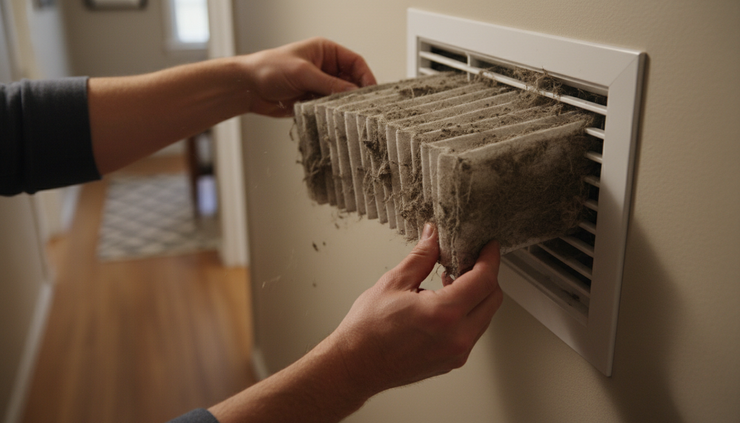
Check the air filter. A clogged filter restricts airflow and can make both heating and cooling feel weak. In Denver’s dusty conditions, filters may need attention more often than expected, especially during wildfire smoke days or heavy pollen seasons.
Make sure vents are open and clear. Furniture, rugs, curtains, and pet beds can block supply or return vents. A blocked return vent can reduce system performance throughout the home.
Look at the thermostat setting. Confirm it is set to heat or cool, not just fan mode. If the thermostat uses batteries, replace them if the display is dim or inconsistent.
Walk through the home while the system is running. Notice where airflow is strong and where it is weak. This helps a technician narrow down whether the issue is tied to ducts, equipment, or room layout.
A comfort problem that repeats is worth tracking. Write down the room, outdoor weather, thermostat setting, and what the system is doing. Patterns often reveal the cause.
Frequent breakdowns usually point to stress or skipped maintenance
A furnace or AC breakdown is frustrating. Repeated breakdowns are a stronger warning sign. If the same system needs service again and again, something deeper may be going on.
Frequent repairs can happen for many reasons.
Dirty coils or filters are forcing the system to work harder
Electrical parts are wearing out
The system was not sized correctly for the home
Duct leaks are wasting conditioned air
The equipment is aging
Past repairs addressed symptoms, not the root cause
Many common AC repairs Colorado homeowners ask about, such as capacitor failures, frozen evaporator coils, and weak airflow, often begin with small performance changes. A unit may start more loudly than usual, trip a breaker, or take longer to cool before it fails completely.
Early warning signs of a system under stress
A system that is heading toward a breakdown often gives clues.
Listen for new sounds. Grinding, squealing, buzzing, banging, or rattling should not be ignored. Some noises point to loose parts, worn bearings, belt issues, or electrical trouble.
Watch startup behavior. If the furnace or AC hesitates, clicks repeatedly, or struggles to start, electrical components may be wearing out.
Notice odors. A brief dusty smell at the start of heating season can be normal. A burning odor, gas smell, or sharp electrical smell needs immediate attention. If gas is suspected, leave the home and contact the gas utility or emergency services.
Check the breaker panel. A breaker that trips once may be a fluke. A breaker that trips repeatedly points to an electrical or equipment problem that needs professional diagnosis.
Look for moisture. Water near the indoor unit can come from a clogged condensate drain, frozen coil, humidifier issue, or other drainage problem.
When repair calls become a replacement conversation
Repair is often the right choice for a newer system with an isolated issue. Replacement may make more sense when breakdowns become frequent, repair costs keep rising, or the system can no longer heat or cool the home well.
Age matters, but performance matters more. A well-maintained system can last longer than one that has been neglected. If a technician finds multiple major parts failing at once, ask for a clear comparison of repair cost, expected reliability, efficiency, and replacement options.
Poor indoor air quality can start with the HVAC system
Indoor air quality is a major issue in Denver homes because dry air, dust, pollen, pet dander, and smoke can all collect indoors. HVAC systems move air through the entire house, so dirty filters, leaky ducts, and poor ventilation can spread particles instead of reducing them.
Poor air quality does not always look dramatic. Sometimes it shows up as a layer of dust that returns quickly after cleaning. Other times it feels like dry throat, stuffy rooms, stale odors, or more allergy irritation indoors.
Signs the HVAC system may be affecting air quality
Look for these common clues.
Dust buildup around vents
Black streaks or dirt marks near registers
Musty smells when the system runs
Air that feels stale in certain rooms
Dry, uncomfortable indoor air in winter
A filter that turns dirty very quickly
Uneven humidity or condensation on windows
A dirty filter is one of the easiest causes to fix. Duct leaks are harder to see but can pull dust from attics, crawl spaces, garages, or wall cavities. Dirty coils can also affect airflow and odor.
Filter choice matters
A better filter can help, but more is not always better. Filters with very high resistance can reduce airflow if the system is not designed for them. That can strain the blower motor and reduce comfort.
Check the equipment manual or ask a qualified HVAC technician what filter rating fits the system. For many homes, a good pleated filter changed on schedule works better than an expensive filter left in place too long.
Denver homes with pets, allergies, nearby construction, or smoke exposure may need more frequent filter changes. During smoky periods, check the filter sooner than the usual schedule.
Humidity can change how comfort feels
Dry air makes winter comfort harder. A home at 68°F can feel colder when humidity is very low. Dry air can also increase static electricity and make dust more noticeable.
A whole-home humidifier can help in some homes, but it must be maintained. Pads, water panels, and drains need regular cleaning or replacement. Too much humidity can cause condensation, so balance matters.

Thermostat malfunctions can mimic bigger HVAC failures
A thermostat is small, but it controls the whole system. When it malfunctions, the furnace or AC may seem broken even when the equipment is fine.
Thermostat problems are common because the device sits on a wall and responds to the air around it. Its location, wiring, batteries, settings, and age all affect performance.
Signs of thermostat trouble
A thermostat may be the issue if the system behaves inconsistently.
The display is blank or fading
The system will not turn on when the temperature changes
The room temperature reading seems wrong
Heat or cooling starts at odd times
The system short cycles
Programmed schedules do not run correctly
Smart thermostat settings change unexpectedly
If a thermostat is installed near sunlight, a fireplace, kitchen heat, exterior door, or drafty hallway, it may read the wrong temperature. That can cause uneven comfort throughout the home.
Simple thermostat checks
Before calling for service, check a few basics.
Replace batteries if the thermostat uses them. Confirm the date, time, mode, and schedule. Make sure the thermostat is set to the right function, such as heat, cool, or auto.
If it is a smart thermostat, check Wi-Fi connection, app settings, and any energy-saving schedules. Some smart models use learning features that change operation based on past behavior. Those settings can surprise homeowners if they are not reviewed.
Do not remove the thermostat from the wall or touch wiring unless you know what you are doing. Incorrect wiring can damage controls or equipment.
A quick guide to spotting problems early
The best way to catch HVAC issues early is to notice changes. Most systems have a normal rhythm. When that rhythm changes, pay attention.
What you notice | What it may mean | What to do first |
Weak airflow | Dirty filter, blower issue, duct restriction | Replace the filter and check vents |
Uneven rooms | Duct leak, insulation issue, blocked vent | Note which rooms are affected |
Long run times | Low efficiency, dirty coils, weather load, sizing issue | Check filter and thermostat settings |
Loud new noise | Loose part, motor issue, electrical problem | Shut system off if noise is severe |
Musty odor | Moisture, dirty coil, clogged drain, duct issue | Check around the indoor unit for water |
Short cycling | Thermostat issue, airflow problem, overheating, refrigerant issue | Replace filter and call if it continues |
Rising bills | Lower efficiency, duct loss, dirty components | Compare use with weather and schedule |
A single symptom does not always identify the problem. A pattern is more useful. Keep notes for a few days if the issue is not urgent. Include outdoor temperature, thermostat setting, room conditions, and any sounds or smells.

Preventive maintenance that helps avoid costly repairs
Preventive maintenance is not just about keeping equipment clean. It helps catch worn parts, airflow problems, safety concerns, and efficiency losses before they turn into larger repairs.
Replace filters on a schedule
Filter changes are the most basic habit and one of the most effective. Check the filter every month during heavy heating or cooling seasons. Replace it when it looks dirty, even if the package says it can last longer.
Homes with pets, dust, allergies, or smoke exposure usually need more frequent changes.
Keep outdoor units clear
For homes with central AC or a heat pump, the outdoor unit needs space to breathe. Clear leaves, weeds, snow buildup, and debris around it. Avoid packing storage items, furniture, or shrubs too close to the unit.
Gently rinsing the outside of the coil may help remove surface dirt, but avoid high pressure. Bent fins can reduce airflow.
Schedule seasonal tune-ups
A professional tune-up before heating season and cooling season can catch issues early. During service, a technician may inspect electrical connections, test safety controls, clean key components, check airflow, inspect burners, examine refrigerant performance, and look for wear.
For Denver homes, fall furnace service is especially valuable before cold weather arrives. Spring AC service helps prepare the system before hot days bring longer run times.
Pay attention to ducts and insulation
Ductwork often gets ignored because it is hidden. Leaky, crushed, disconnected, or poorly insulated ducts can waste a lot of heated or cooled air. They can also cause uneven rooms and higher bills.
If a system is newer but comfort is still poor, ask about duct inspection. The equipment may not be the main problem.
Do not ignore small changes
Small symptoms are easier to fix than total failures. A faint noise, weak airflow, or occasional short cycle can be the first sign of a part wearing down. Waiting until the system stops working often means higher repair costs and less convenient service timing.
Use the thermostat wisely
Avoid large temperature swings when possible. Setting the thermostat far above or below the desired temperature does not heat or cool most homes faster. It usually makes the system run longer.
A programmable or smart thermostat can help reduce wear if it is set up correctly. Use schedules that fit the household’s routine and review them seasonally.
What to do when something feels wrong
If the HVAC system is acting differently, start with safe, simple checks.
Confirm the thermostat mode and temperature.
Replace or inspect the filter.
Make sure vents and returns are open and clear.
Check the breaker if the system has no power.
Look for water, ice, unusual odors, or loud noises.
Write down what changed and when it happens.
Call a qualified HVAC technician if the issue continues.
Some problems should not wait. Call for help right away if there is a gas smell, electrical burning odor, repeated breaker trips, loud mechanical noise, visible ice on AC components, water around equipment, or no heat during freezing weather.

Stay ahead of repairs with regular attention
Most HVAC problems do not appear out of nowhere. Inadequate heating or cooling, frequent breakdowns, poor air quality, and thermostat glitches often start with small warning signs. Learning what those signs look, sound, and feel like gives homeowners a better chance to act early.
A few habits make the biggest difference. Change filters regularly. Keep vents and outdoor units clear. Watch for new noises, smells, water, or comfort changes. Schedule seasonal maintenance before extreme weather arrives.
Denver weather can be tough on HVAC equipment, but a little attention goes a long way. When the system starts giving clues, respond early. That is the simplest way to protect comfort, reduce surprise repairs, and help the equipment last longer.


Comments